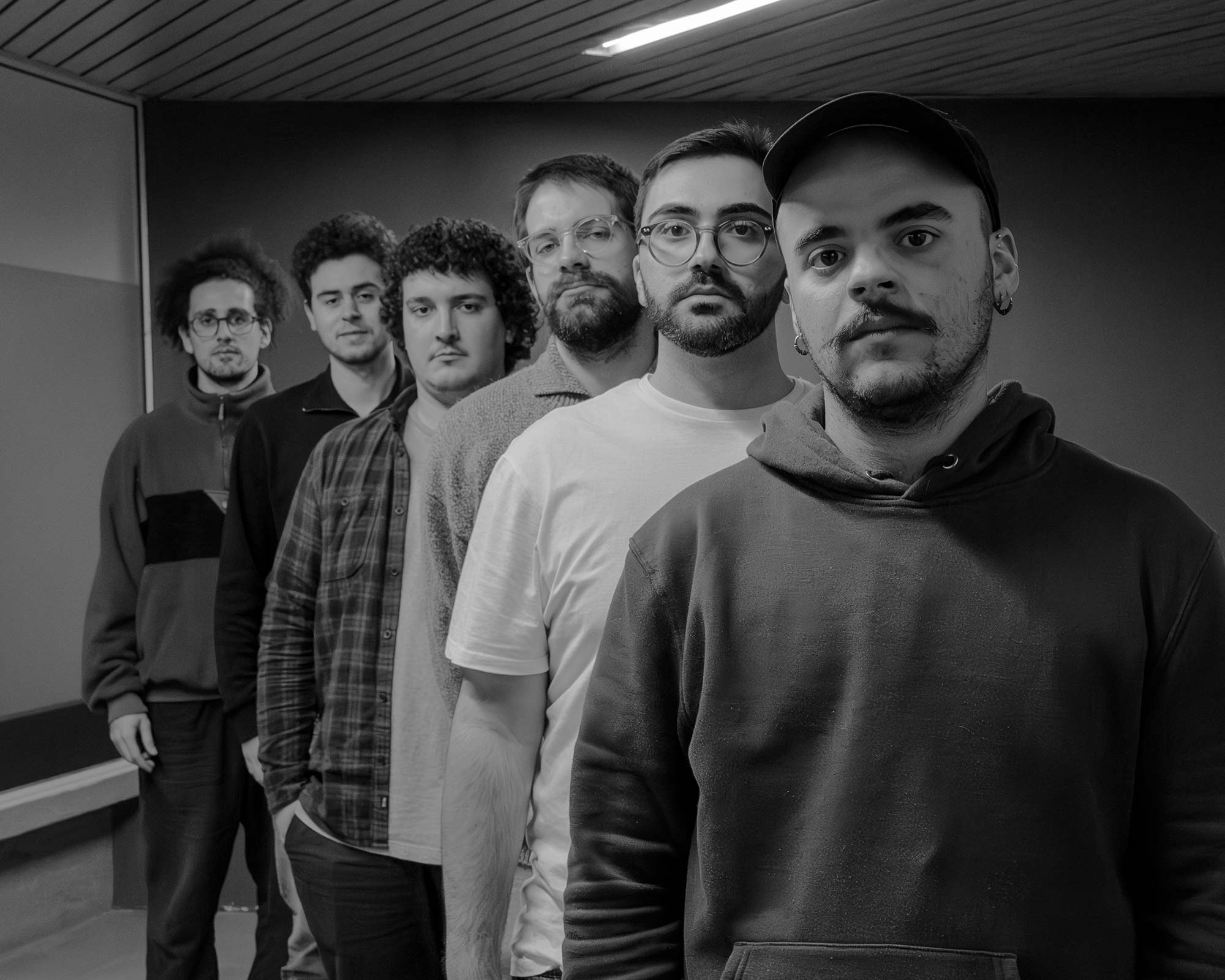
Summer Time
It is on Children’s Day – amid a joyful and auspicious festive atmosphere – that Casa da Música ushers in the Summer Season, a period of great exuberance and openness distinguished by an especially diverse musical programme and an abundance of free-admission events. A spirit of openness prevails, along with the sense that there is always something new to discover and experience.
Conservatoires, academies, and specialist music schools showcase to the public the work developed throughout the academic year. Students and teachers perform in concert in a wide variety of ensembles, presenting programmes that span different periods and movements in the history of music, giving shape to important moments of celebration at the culmination of a long and dedicated educational journey.
It is also a time to follow the final stages of musical competitions. The preliminary rounds of the main category of 28th Santa Cecília Piano Competition take place over the course of a week, bringing together dozens of pianists from around the world, after which the top three finalists join Orquestra Sinfónica do Porto Casa da Música for the decisive moment in the grand final. The International Suggia Prize, which brings some of Europe’s most promising young cellists to Porto, likewise concludes with a concert in which the three winners of the recital rounds compete for the trophy alongside our symphony orchestra. Future Rocks – a hybrid between competition and festival, open to students and bands from specialist music schools wishing to showcase their talent in the language of rock music – also holds its semi-finals and final this June. Three invitations of a different nature addressed to those who like to keep their ears tuned to the future.
The Big Screen cycle continues with another historic encounter between music and cinema, this time bringing together Orquestra Barroca for a live performance alongside a screening of Farinelli, Gérard Corbiau’s award-winning film about the famous castrato who captivated Europe’s leading opera houses in the eighteenth century and who, for a decade, night after night, served as the balm that soothed the melancholy of King Philip V of Spain.
Orquestra Sinfónica returns on two further occasions throughout the month. The first sees it side by side with Coro Casa da Música in a programme aptly entitled Symphonic Choral, featuring vocal ensemble songs by Johannes Brahms alongside works by Luís de Freitas Branco and Leoš Janáček. A few days later, our orchestra returns to the stage for the first time under the direction of Azorean conductor Henrique Constância, with a free-admission concert composed of celebrated works from the symphonic repertoire, marking the beginning of the São João celebrations at Casa da Música. Five days of festivities will follow, culminating in the city’s longest and most eagerly awaited night with an open-air celebration packed with exciting projects and hosted by two cult figures of Portuguese popular humour and music: Beatriz Gosta and David Bruno.
And there are more duos inviting audiences to special moments. The Brazilian pair Anavitória present their sixth studio album, Clarabóia, in an intimate voice-and-guitar format in the Suggia Hall, while the following day brothers Pedro Moutinho and Hélder Moutinho offer a tribute to the many Portuguese poets who nourished one of the country’s most emblematic cultural heritages: fado.
As always, summer would not be complete without intense activity on the terrace stage. And in June, the menu is varied: from Cesar Soares’s tribute to Ney Matogrosso – a dazzling music-theatre experience – to the multicultural Portugueseness of the soundscapes created by Luiz Caracol and Pedro Carvalho, as well as album-launch concerts by Inah, who blends samba, jazz, soul, fado, and African music, and by the band Desire Haze, which navigates between grunge, indie rock, and dream pop.
Special mention should also be made of Sing Together!, a concert uniting Coro Infantil Casa da Música with the St. Louis Children’s Choirs in an exciting meeting of young voices from different cultures, and of Theory of Strings, a Digitópia project demonstrating how a single vibrating string can give rise to a remarkable diversity of musical forms.
There is, however, much more to see and hear at Casa da Música this June. The best option is to browse through the pages of this Partitura and make note of the moments you will not want to miss.
Long live summer!

AGENDA
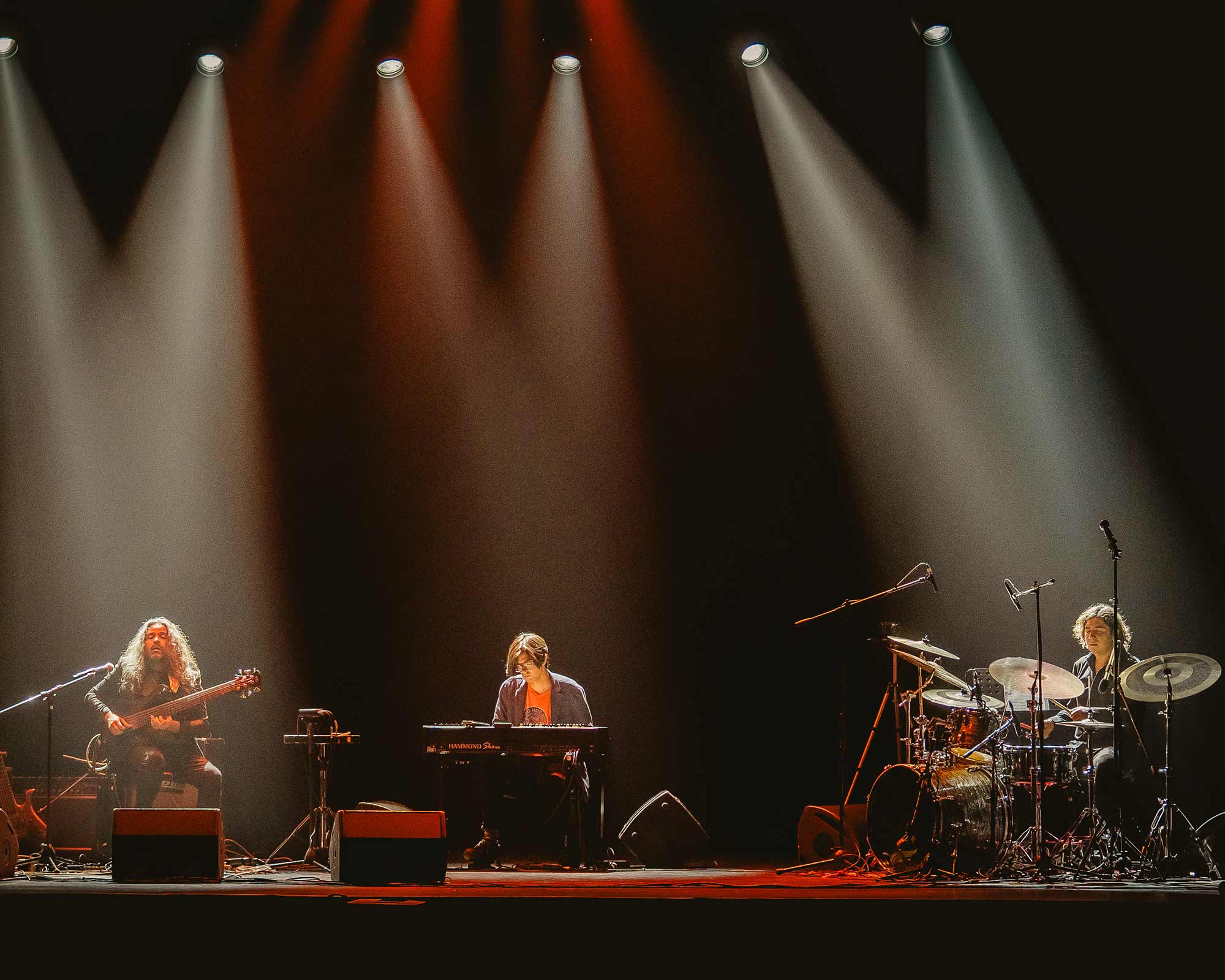
Christian Galvez Organ Trio
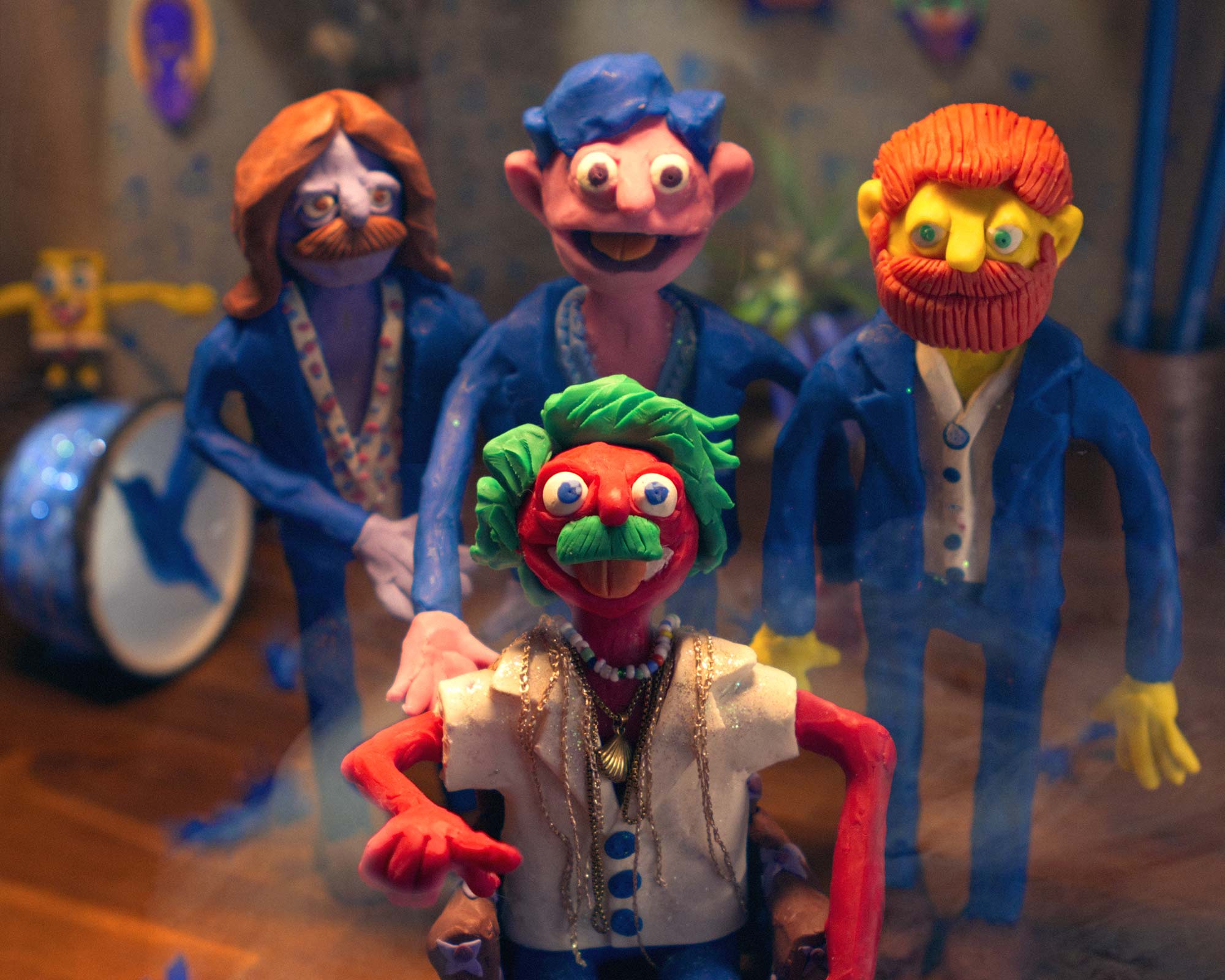
Nico & The Bluebirds

Leo Bianchini & Gianni Cappiello
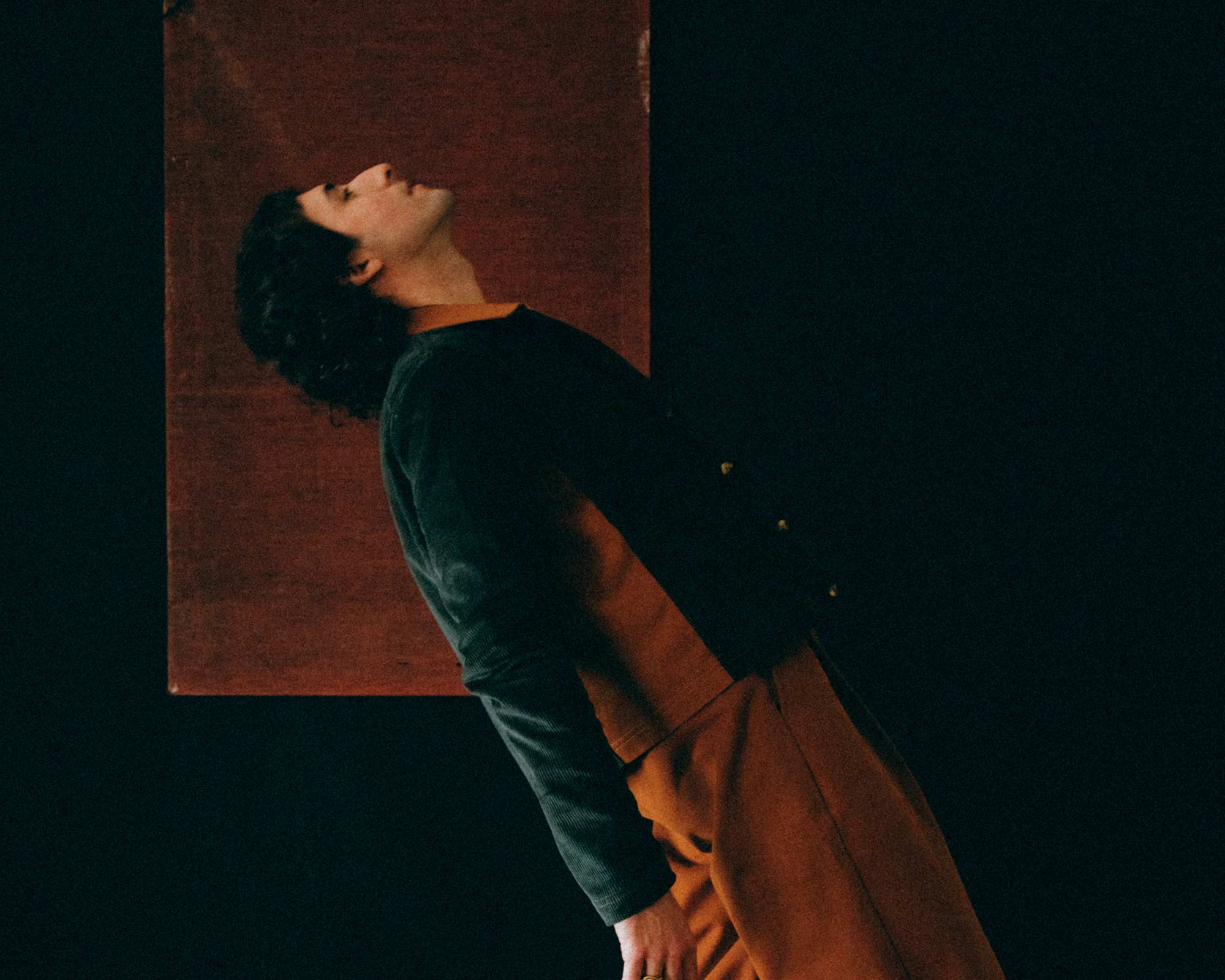
Jasmim
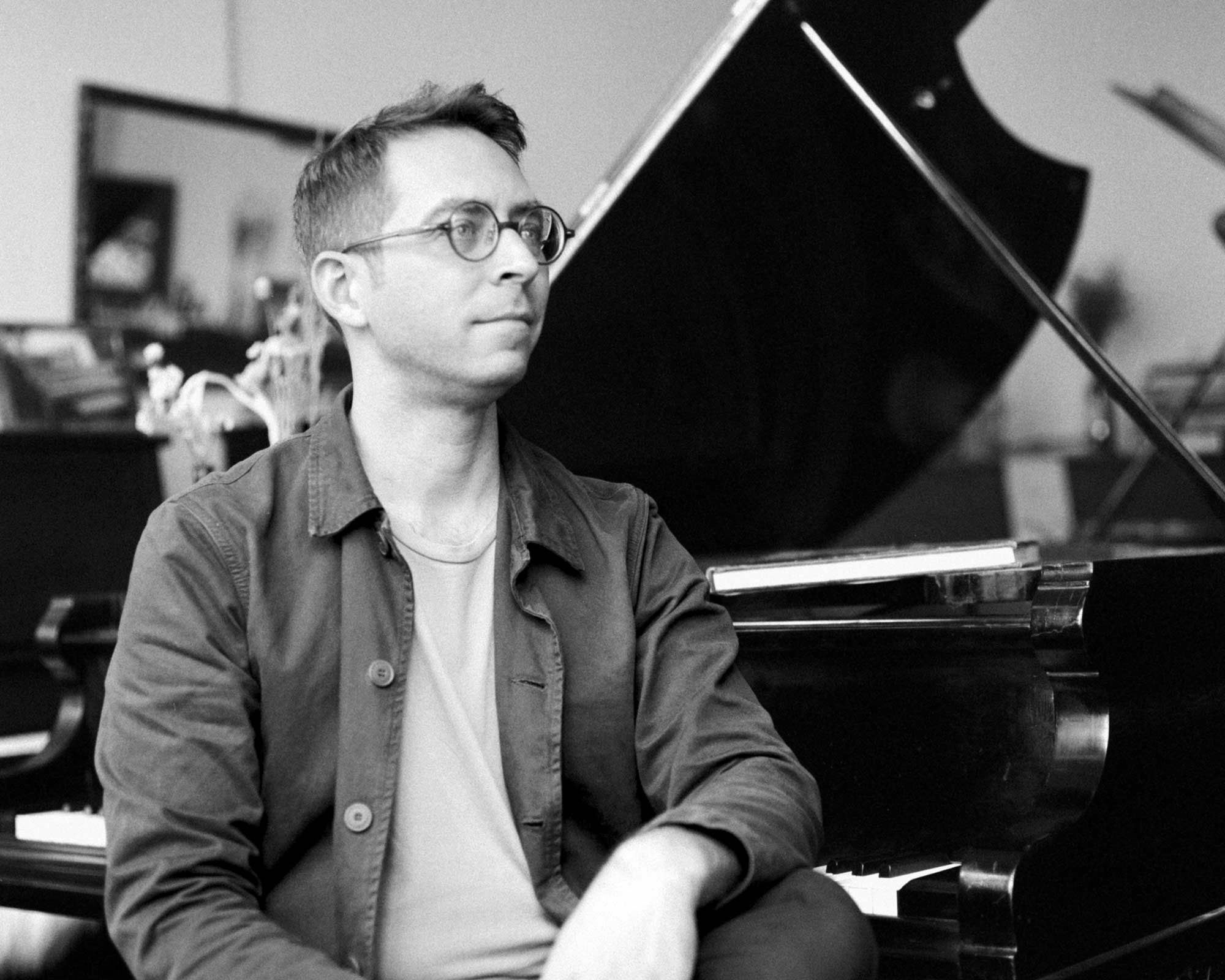
Porto Pianofest
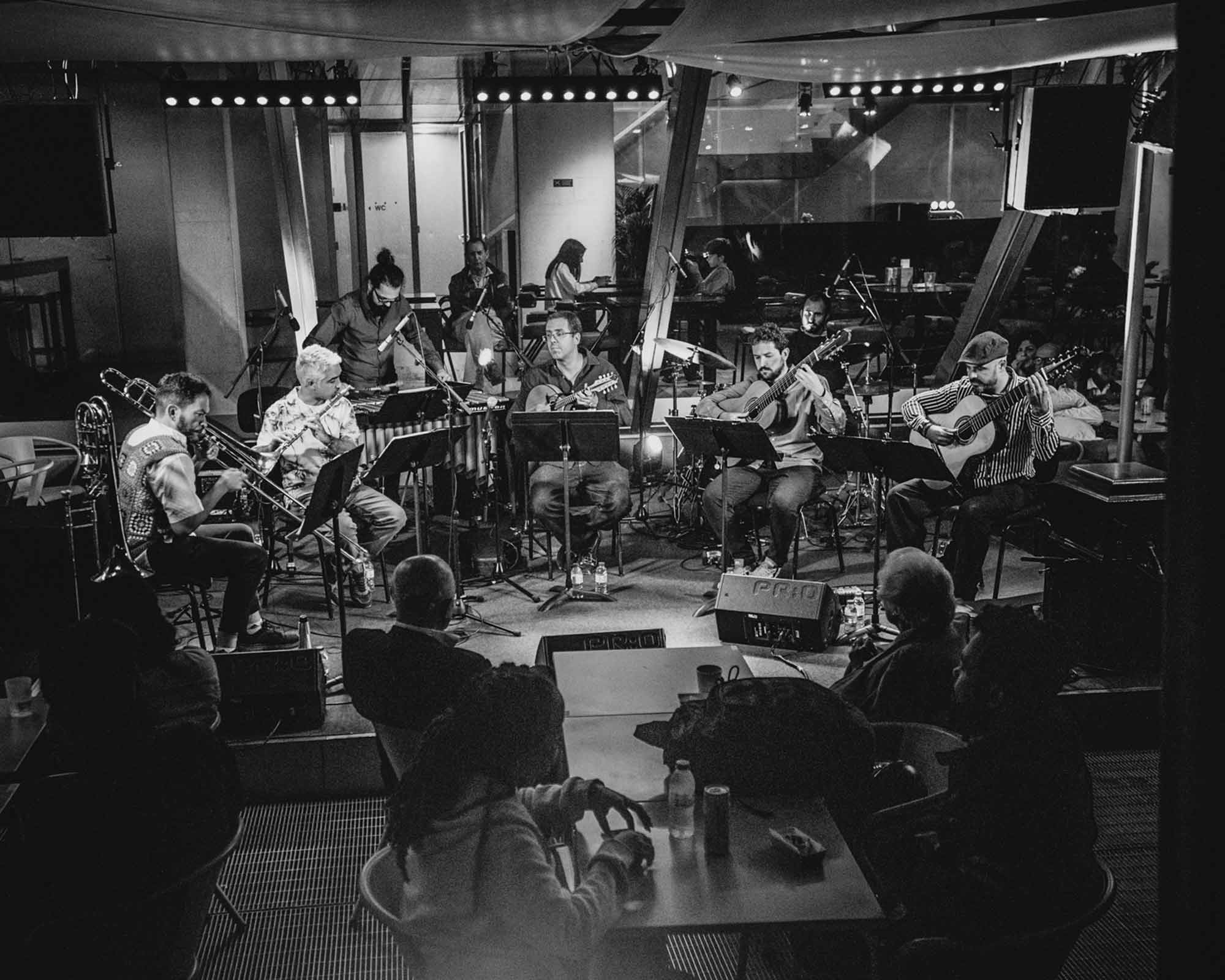
CLUBE CHORO DO PORTO invites CRISTOVÃO BASTOS and ILANA VOLCOV