THE “SKEPTICAL SHAMAN” AND TECHNO-ANIMISM
João Carlos Pinto is Casa da Música’s Young Artist in Residence for 2025. Throughout this year, the composer has been collaborating with three ensembles, in a journey that now culminates with the premiere of three new works: one for Quarteto Tágide – winner of the Young Musicians Prize –, one for Remix Ensemble, and another for Orquestra Sinfónica do Porto Casa da Música.
Yet, to confine these works to the realm of music alone would be reductive. Each one integrates elements such as an original and interactive lighting design, scenography, movement, props, and costumes. These are not decorative additions, but essential components of the performance – as, according to the composer himself, they are even in the most traditional of concerts. Orchestras have a visual identity, a choreography, props, and a lighting design. So why not make them a structural part of the performance?
His relationship with the tradition of classical music is, therefore, a fascinating one: it is not about rejecting the past, but about allowing a new branch to emerge – one that intertwines the richness of the classical canon and its creators and thinkers with contemporary concepts and aesthetics such as glitch, the dematerialization of reality, or video games. Rather than seeking rupture, João Carlos Pinto employs every available resource – both ancient and modern – in service of each work’s artistic intent. The result may sometimes appear disruptive, but not for stylistic reasons; rather, it is the natural consequence of the work’s inner logic. The history, codes, and performance practices of each ensemble thus become living material for the concert – points of departure for new experiences.
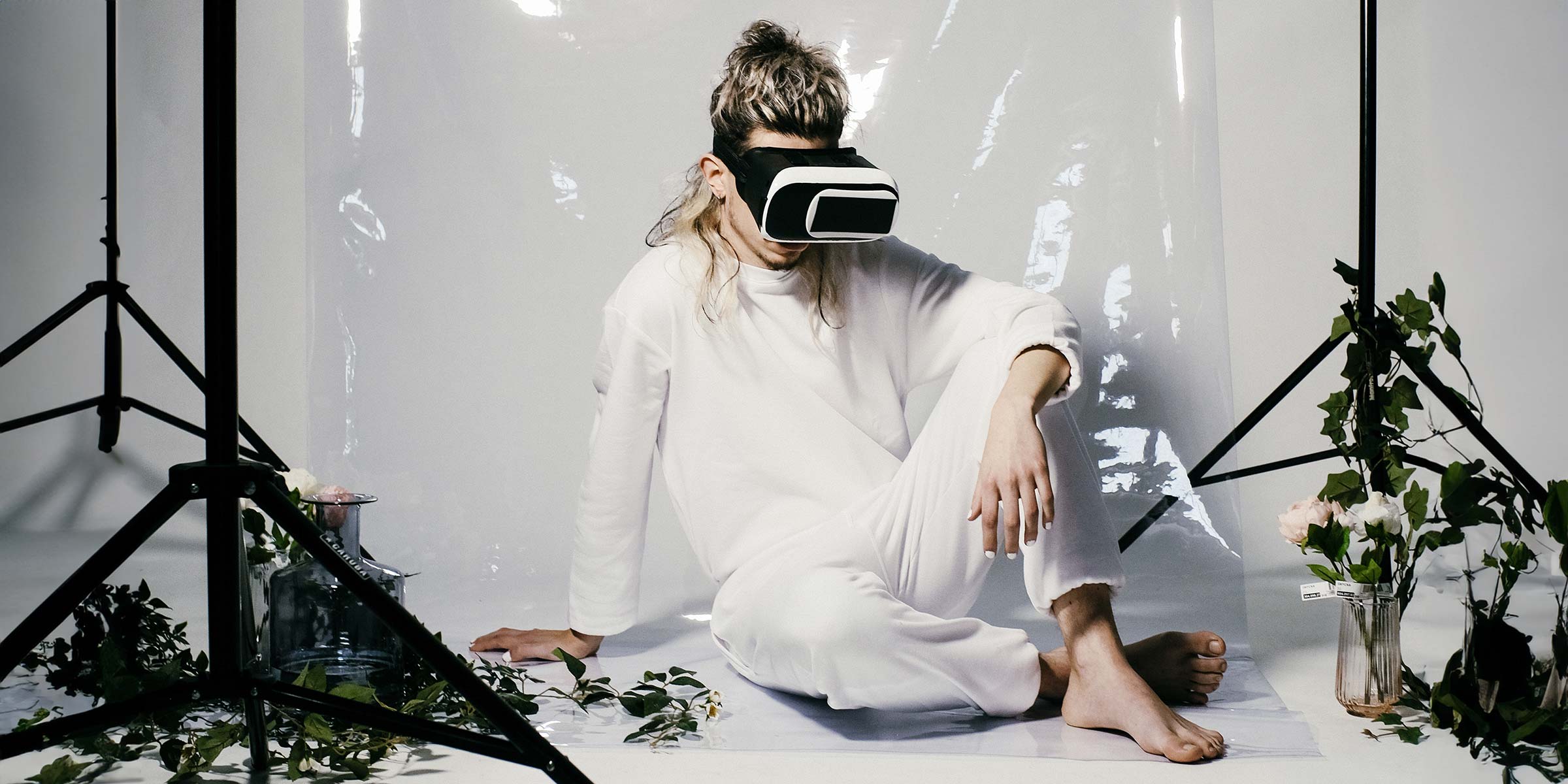
This openness extends to the way he engages with technology. Fascinated by technological spirituality (without confusing it with the divine), the composer explores the liminal zones between the human and the mechanical – from techno-animism to techno-shamanism – viewing technology not merely as a tool that embodies both precision and randomness, but as an integral part of a deeply human and personal sensory and emotional experience. In this sense, his music is essentially collaborative: at times made with people, at others with machines, and often with both.
Some describe him as a “skeptical shaman”: someone who recognizes the transformative power of rituals – such as tarot – without succumbing to mysticism. What fascinates him is ambiguity: that fertile space where interpretation, chance, and intuition coexist. For him, art exists to open horizons and create inner resonances, not to offer answers.
And while it is true that the three works are now complete, it would be a mistake to think the process has ended. On the contrary: given the collaborative, improvisatory, and performative nature of his creations, it is impossible to predict how each will reveal itself on stage. Even the composer himself does not fully know. What he offers us, above all, is an act of sharing – the pleasure of discovering, together with the audience, what happens when sound, body, light, and technology converge in a single ritual of creation.