Johannes Brahms | Piano Concerto No. 1
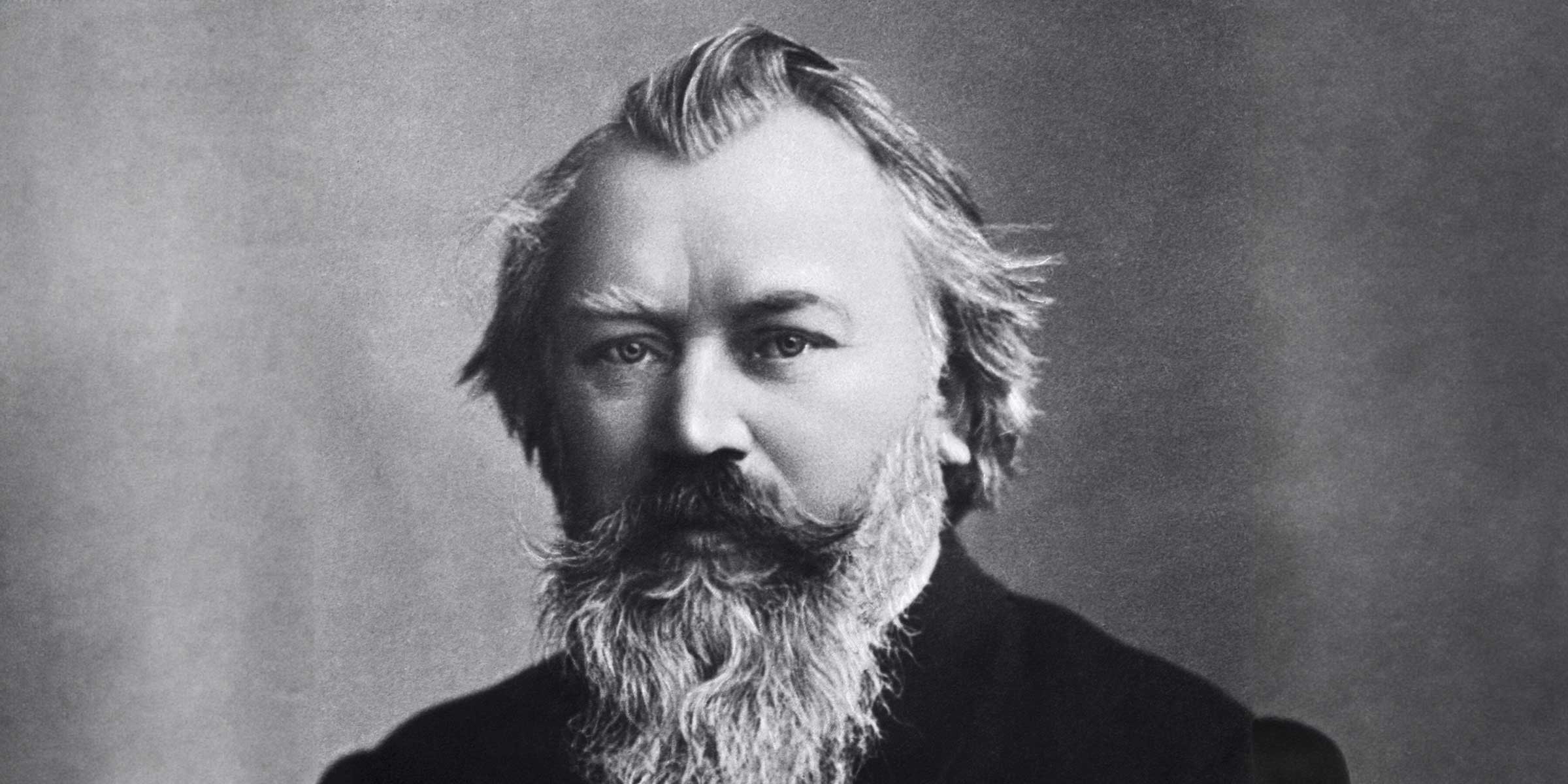
After the interval, the programme takes us to Johannes Brahms (1833–1897), whose career is deeply intertwined with that of Robert Schumann. It was Schumann who, in 1853, recognised the genius of the young man from Hamburg, establishing him as the heir to the Beethoven tradition—a figure whom both revered as the supreme model of musical greatness. This symbolic triad — Beethoven as the reference point, Schumann as the mentor, Brahms as the successor — forms the spiritual backdrop to the Piano Concerto No. 1 in D minor.
When he began sketching the work in 1854, Brahms was in his early twenties and divided his time between Hamburg and Düsseldorf, where he maintained close ties with the Schumann family. His reputation was beginning to take shape, but his status was uncertain: he was no longer merely a promising young man, nor yet an established master. He led a simple life, supported by performances, teaching and occasional patronage.
The concerto’s gestation was long and turbulent. Initially conceived as a sonata for two pianos, the project evolved into a symphony and eventually took its definitive form as a concerto. At the heart of this process lies a profound personal tragedy: Schumann’s attempted suicide in 1854, followed by his death two years later. Brahms, who was deeply attached to the family, found in composition a way to come to terms with this loss — whilst at the same time feeling the weight of the expectations placed upon him.
The result is a work of symphonic proportions and unique character. Far from serving merely as a vehicle for virtuosity, the concerto establishes a relationship of equality between the piano and the orchestra, integrating them into a continuous dramatic narrative. The first movement, ‘Maestoso’, opens with an orchestral introduction of great intensity, before the soloist enters; its scale and density make it almost a symphony. The ‘Adagio’ contrasts with its contemplative and devotional atmosphere — Brahms noted a liturgical reference in the manuscript (‘Benedictus qui venit in nomine Domini’), suggesting a space of contemplation and transcendence. The finale resumes the initial energy and leads the work to an affirmative conclusion.
The connection to Beethoven is clear: in addition to the key of D minor, the same as that of the Ninth Symphony, the concerto shares an ideal of structural grandeur and expressive depth. Brahms does not merely seek to pay homage to the past, but to engage with it, measuring himself against a legacy that, to many, seemed insurmountable.
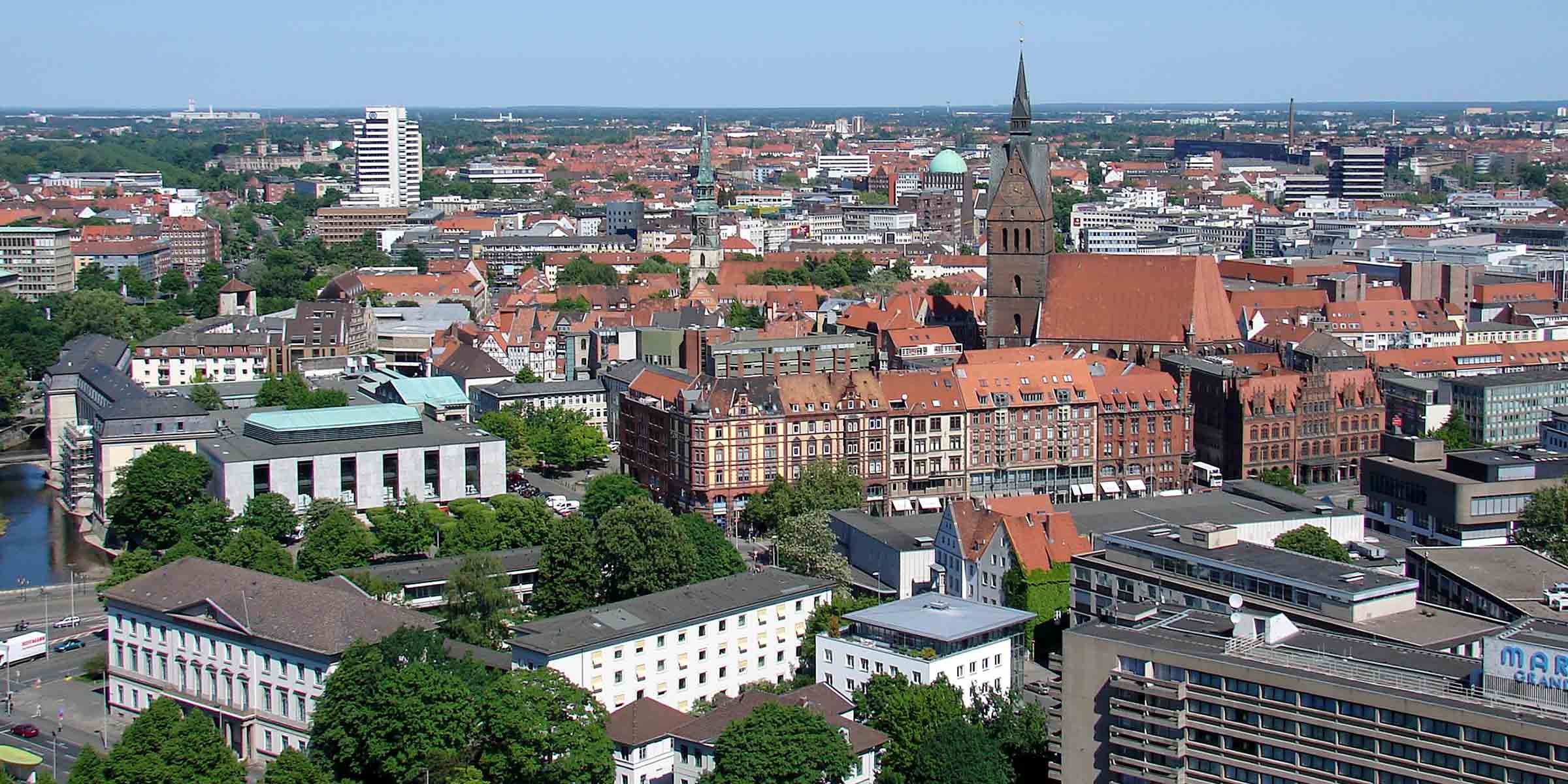
The premiere took place on 22 January 1859 in Hanover, with the composer himself at the piano. Whilst the initial reception was favourable, the performance five days later in Leipzig became notorious for its failure: the audience reacted with boos and the critics deemed the work excessive, ‘unorthodox’ and difficult to understand. Brahms, aged just 25, described the episode with a mixture of irony and despondency, acknowledging that he was still ‘feeling his way’. Today, the Concerto is recognised as a cornerstone of the piano repertoire. The combination of structural rigour, emotional intensity and symphonic ambition reveals a composer already fully aware of his place in the tradition — and determined to transform it.
More than a chronological journey, this programme reveals an ongoing dialogue between generations. In each work, we hear not only the individual voice of its creator, but also the presence of a tradition that reinvents itself: Beethoven as a guiding light, Schumann as a mediator between intimate experience and poetic imagination, Brahms as a conscious heir and innovator. At the same time, these works offer a glimpse of something deeper: music as a space of resistance in contexts marked by personal crises, political instability or irreparable losses; artistic creation as a way of reinventing chaos.
Program notes by Rodrigo Alzuguir.
© 2026
Related Events