Frank Zappa or the art of knowing who you are
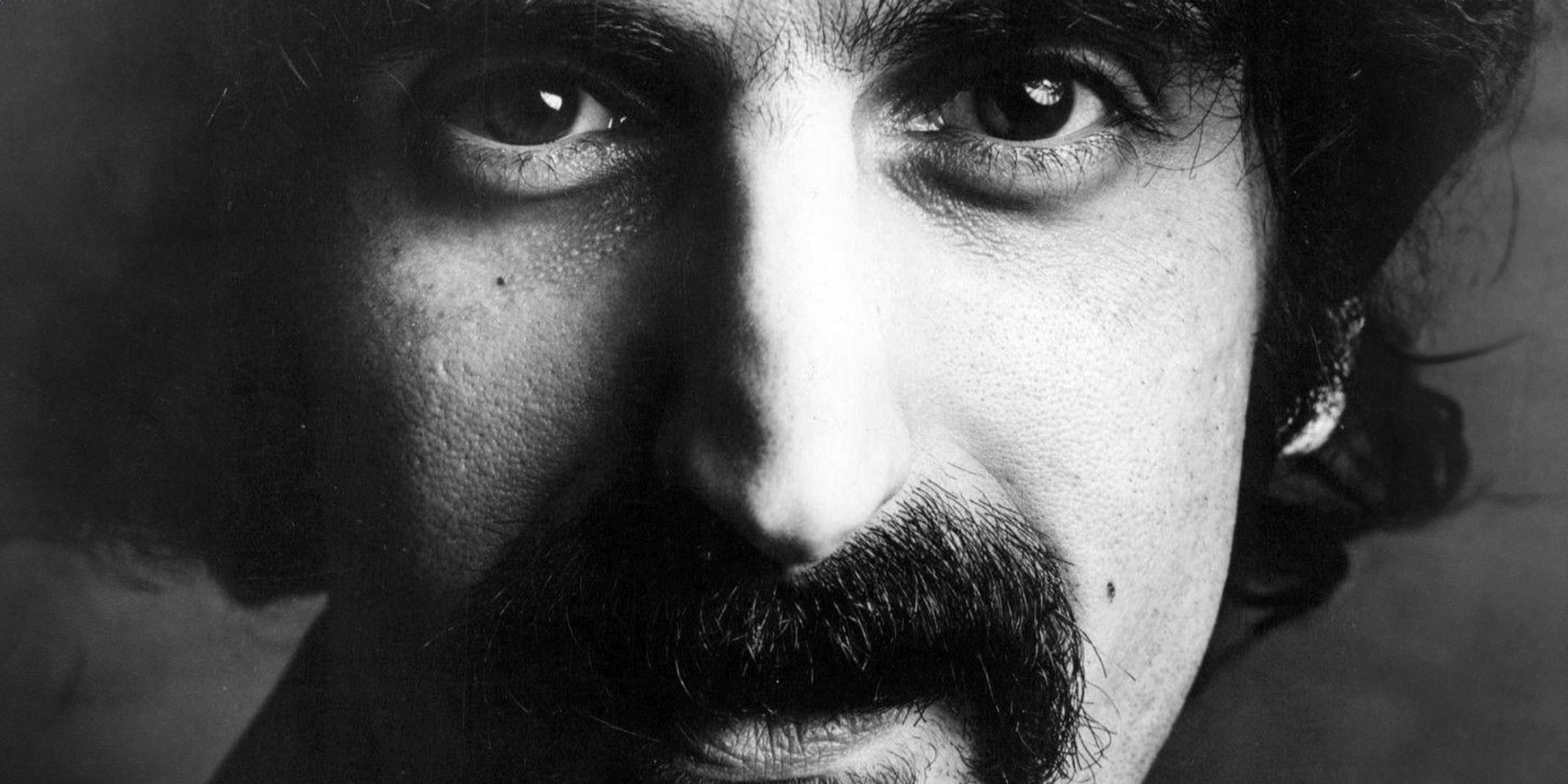
Who was Frank Zappa (1940-1993)? Upon his death, the American media called him a rock musician, famous for elaborate and unconventional songs with daring lyrics, for his criticism of the music industry, the educational system, and the political scene, for his clashes with the Church and the police, and for having been banned from radio stations. But there was much more, not always captured by the media lens. Within that “walking mass of contradictions” (in the words of Ruth Underwood) pulsed a creative vision of such breadth that it still bewilders today, averse to subterfuge, from which sprang a legacy as absolutely free as it was considered, as multifaceted as it was coherent and personal. Beyond mere eccentricity, Zappa always maintained total fidelity to the inner world that inhabited him, without dissimulation – repeatedly challenging conventions, established powers of all kinds, the pretensions of the establishment, and the many -isms he saw around him (be they fashionable or otherwise).
His music reflected all of this, remaining uncategorizable. It wasn’t rock, nor was it jazz (“jazz is not dead, it just smells funny”, he would say), and even less was it pop music. So intricate, detailed, and technically demanding, it could even be listened to as classical music in the right context, without, however, failing to include – and simultaneously deconstruct – tropes from these and other traditions, in an irreducible iconoclasm.
Drawn to music by an album featuring works by Varèse, this absolute autodidact began writing orchestral music even before he picked up the guitar due to his taste for blues. He rose to prominence with The Mothers, a band he founded in the second half of the 60s as a means of subsistence and, above all, for experimentation and to hear his own creations, which emerged at a frenetic pace. The band would last only a short time, but the ethos always remained: from wherever Zappa was, anything could emerge at any moment – from old doo-wop to Varèse or musique concrète, passing through any imaginable genres between those two points, and also including a theatrical component and a humor that was irreducible, absurd, and eccentric. The intention was stated: to provoke the audience to the point where they would question their environment and could do something about it. Orchestral music would return to the forefront in his final years, highlighted by his work with renowned ensembles from the contemporary scene, such as the Ensemble Modern, conducted by Peter Rundel (the group with which Zappa recorded his last album and shared his final performance).
One can witness all this and so much more in the documentary Zappa, which Casa da Música will screen in December and which has plenty to surprise any audience. It will surely be the ideal way to whet the appetite for the concert A Night With Frank Zappa, where we will have the privilege of having Peter Rundel conducting again some of that music that premiered over three decades ago, still and always full of vitality and an unrepeatable identity.