The Music that Opens the Curtains
It is with Chaplin’s genius that Casa da Música kicks off the O Grande Ecrã (The Big Screen) cycle, which aims to explore the connections between music and cinema, or the moving image, crossing them in diverse and creative ways, whether within more conventional models, such as the cine-concert, or by testing new possibilities. It is an open field of experimentation and artistic contamination, where not only do the roots of cinema resonate in the present through their encounter with music, but musical treasures previously confined to their element discover the expressive paths that the screen provides them – and much more in between.
Insofar as borders based on supremacism, prejudice and discrimination have no place in the languages of art, few films could inaugurate our cycle as eloquently and symbolically as The Great Dictator, Charlie Chaplin’s first talking film, an act of unprecedented political and artistic courage in defence of the freedom to be, think and create, against despotism, totalitarianism and tyrannical arbitrariness.
The grand master of burlesque defied powerful lobbies, boycott attempts and pressure from his own studio so that the film could be released in October 1940, when the horrors of the Nazi regime were already known and Europe was burning under the war, although the US still remained officially neutral. It was a real bombshell, a “comic bomb” aimed by the most beloved figure in world cinema at Adolf Hitler and the mechanics of fascism. Investing himself body and soul in the political dimension of the film, Chaplin not only splits himself in two to play the “symbolic opposites” of the conflict – the lunatic dictator Adenoid Hynkel (the reference could not be more explicit) and a humble and anonymous Jewish barber – but, in the end, he abandons the trenches of cinema itself, breaking the fourth wall to address the audience, eye to eye, with a humanist speech that would become the moral heart of the film and the nuclear element – here, not in the military sense – of one of the most iconic scenes in the history of the seventh art.
An incomparable genius of boundless talent, whose character Charlot – the hilarious tramp with a bowler hat, cane, thin moustache, worn black tailcoat and oversized shoes – has spanned more than a century without losing his ability to provoke laughter and tenderness in audiences around the world, Chaplin distinguished himself in the most varied dimensions of cinema, but also made history as a musician.
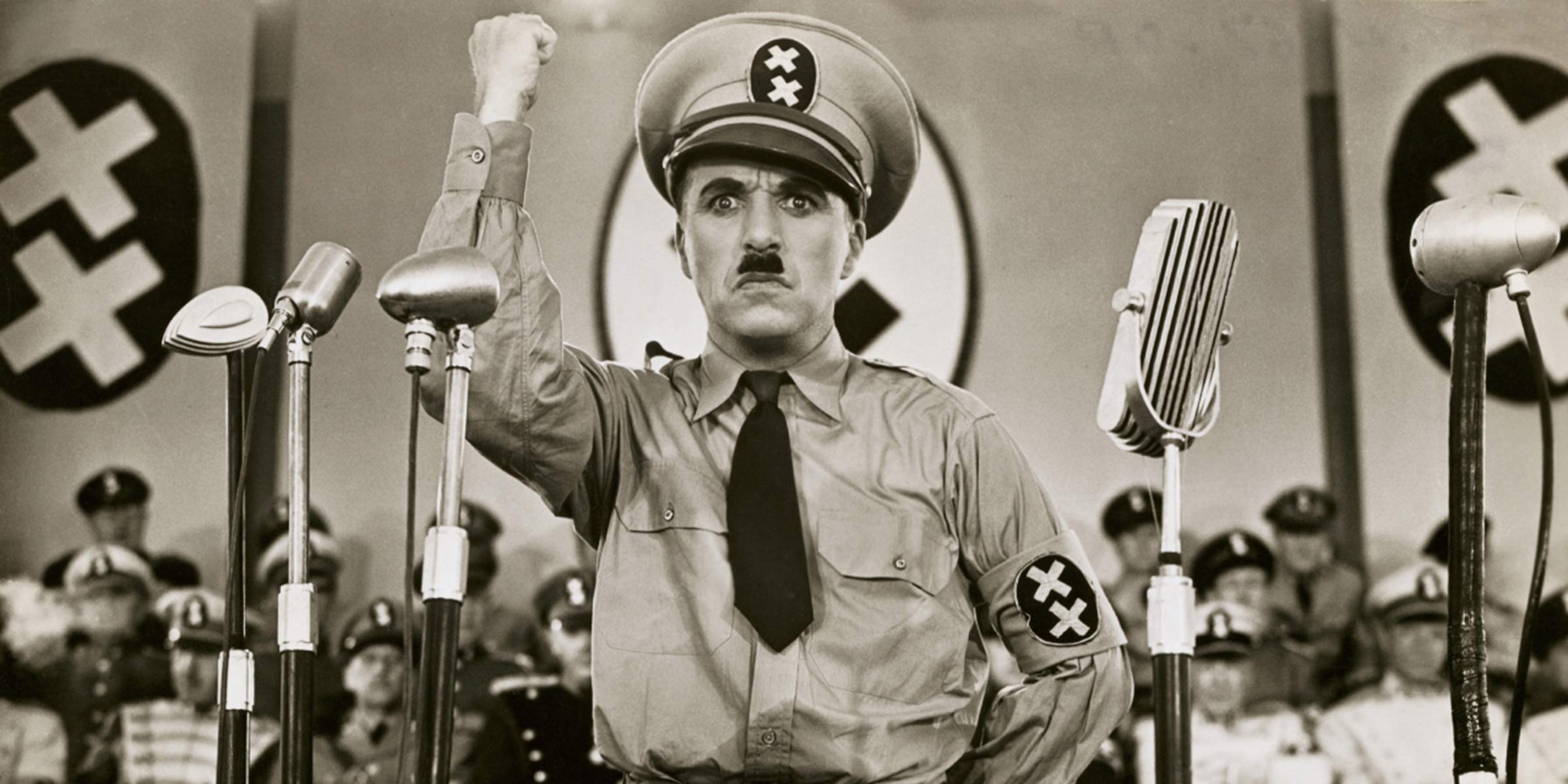
An example of this is the soundtrack for The Great Dictator, which the Porto Casa da Música Symphony Orchestra will perform live at the opening concert of this cycle (6 February), simultaneously with the screening of the film. Responsible for recovering the British filmmaker’s original scores, American conductor Timothy Brock will conduct our resident ensemble.
Released 100 years ago, Metropolis is still a cult classic today, regarded as one of the greatest examples of German expressionism.
Throughout the year, other notable crossovers between music and cinema are scheduled, awaiting their encounter with the public. In June, the Baroque Orchestra is called upon to accompany the live screening of Farinelli (1994), Gérard Corbiau’s biopic about the castrato who became the most celebrated and sought-after voice in 18th-century Europe. Winner of the Golden Globe for Best Foreign Film and nominated for an Oscar in the same category, it is a baroque drama about sacrifice in the name of perfect art and the fragility behind almost divine fame. The symbiotic and destructive relationship between Farinelli and his brother, composer Ricardo Broschi, tensions the film’s narrative, which follows the singer’s meteoric rise from the theatres of Naples to his heyday as a “divo” at the Spanish court, where his voice was sought after as a remedy for the king’s melancholy. Under the direction of conductor and violinist Huw Daniel, the film’s original soundtrack, entirely filled with music from the Baroque period, will be performed.
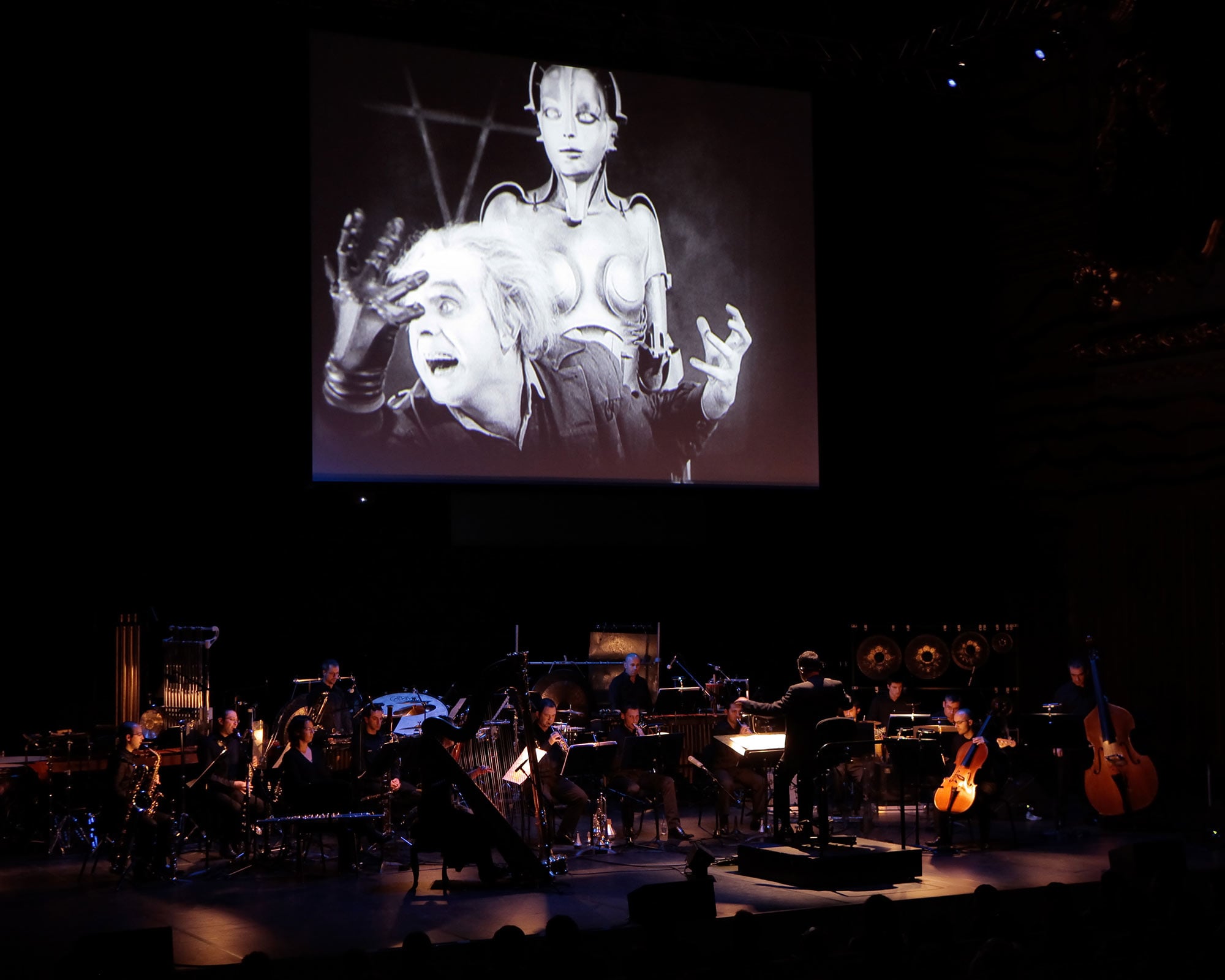
September sees the arrival of one of the last masterpieces of silent cinema: Fritz Lang’s Metropolis. Released 100 years ago, it is still a cult classic today, considered one of the greatest examples of German expressionism. An allegorical nightmare in black, white and silver, presciently projecting the fears of industrial modernity onto 2026, the year of that imagined future. Although born silent, this breathtaking visual opera about the excesses of civilisation was not conceived to be viewed in silence. Originally, its screening was accompanied by a live performance of a score by Gottfried Huppertz, and over the years more than two dozen soundtracks have been written for the film. In 1995, Argentine composer Martin Matalon wrote the one that will occupy the shelves of the Remix Ensemble on the afternoon-evening of this film-concert.
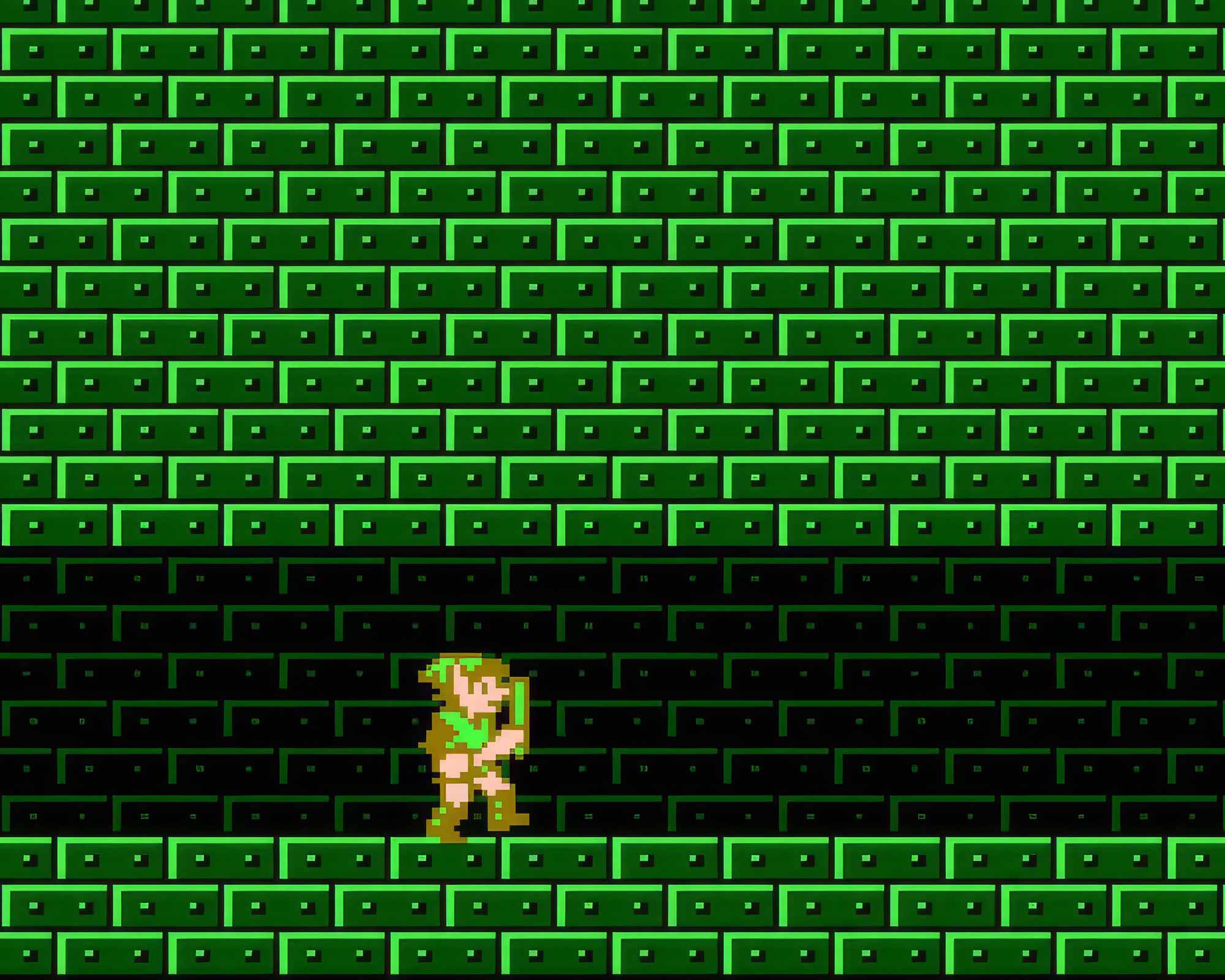
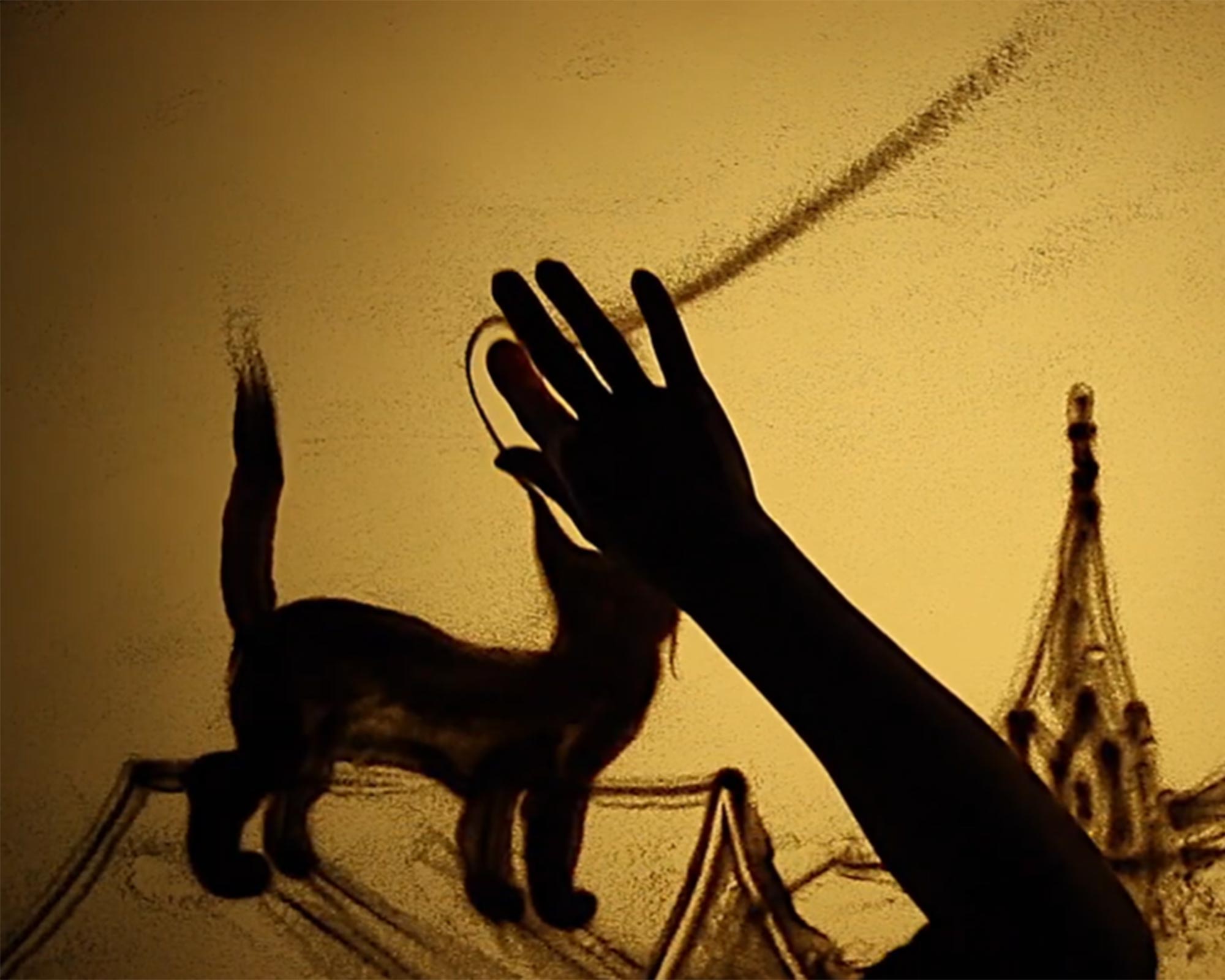
However, as mentioned, other formats are also included in the Big Screen cycle. The Symphony Orchestra will be present in three of them, in the final quarter of 2026: Symphonic Retro Gaming, a concert filled with music from video games that marked, above all, the last two decades of the 20th century; one of the highlights of the season, with the presentation of the visual creation by Bianca Dacosta, Artist in Residence 2026 at Casa da Música, for the musical epic Floresta do Amazonas, by Heitor Villa-Lobos; and a revisiting of Tchaikovsky’s ballet The Nutcracker, accompanied by a live sand animation performance by Ukrainian artist Kseniya Simonova.
The Educational Service is also participating in this cycle, with a couple of special proposals: Whispers of the Sea, a show inspired by Debussy’s music, where two pianists play inside a giant cube whose walls project videos that recreate an underwater world, and The Last Song of the Birds, a project based on real recordings of birds from around the world, with electronic sounds and visual elements by Bianca Dacosta.
For now, we must prepare ourselves for the many experiences that lie ahead. Given that “resonance” is one of the core concepts of the 2026 Season at Casa da Música, along with “roots”, let us listen to an excerpt from Chaplin’s final speech in The Great Dictator at the “roots” of this cycle and reflect on how it “resonates” today, almost a century later: “We think too much and feel too little. More than machines, we need humanity. More than intelligence, we need affection and kindness. Without these virtues, life will be violent and everything will be lost.”
Welcome to The Big Screen!